

5 Powerful Effects of Freelancing on Personal & Professional Life (Globally)
Freelancing isn’t just a job—it’s a lifestyle revolution. From New York to Nairobi to New Delhi, millions of people are leaving traditional 9–5 jobs behind and embracing the freelance economy. But what exactly changes when you become a freelancer? Let’s explore the 5 major effects of freelancing on your life, career, and mindset — with a global lens.
1. Greater Control Over Time
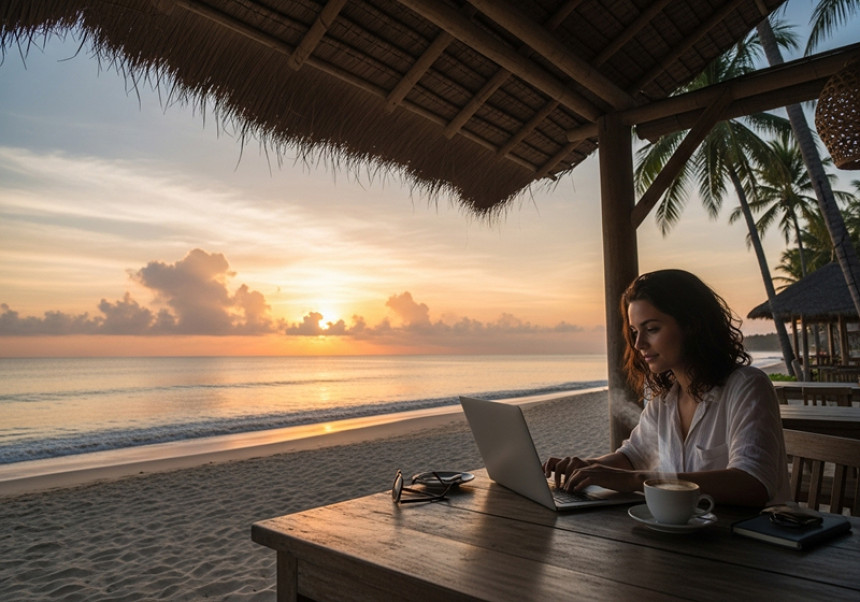
Freelancing gives you freedom to choose when to work. You’re not tied to a desk or strict 9–5 schedule. Whether you work at 6 AM or 2 AM — it’s your call.
🌍 Global Impact :
This flexibility allows people to travel, raise families, or study while still earning a living.
2. Faster Skill Development
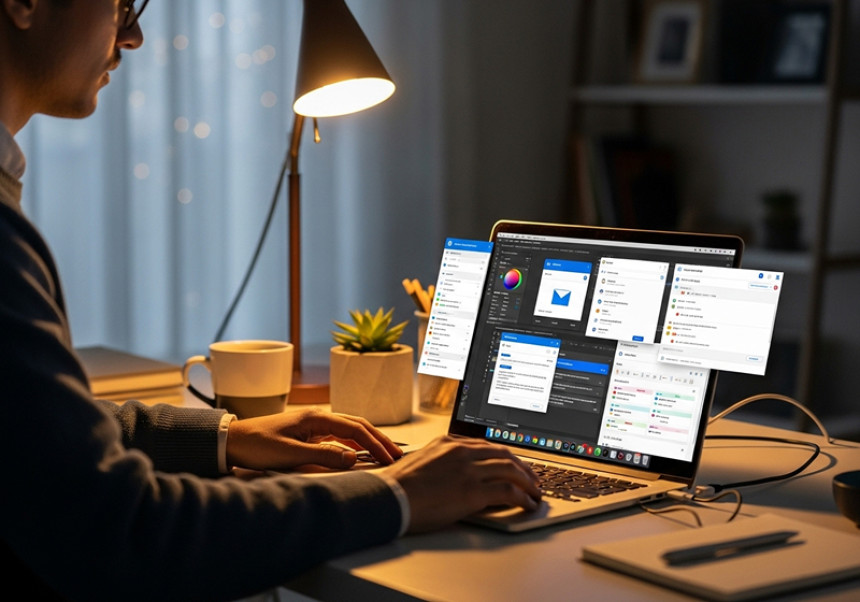
Freelancers constantly wear multiple hats — writer, marketer, designer, manager. This speeds up learning and forces rapid growth in real-world skills.
🌍 Global Impact:
In regions with fewer job opportunities, freelancing opens doors to upskilling and remote job access.
3. Income Volatility (But Also Opportunity)
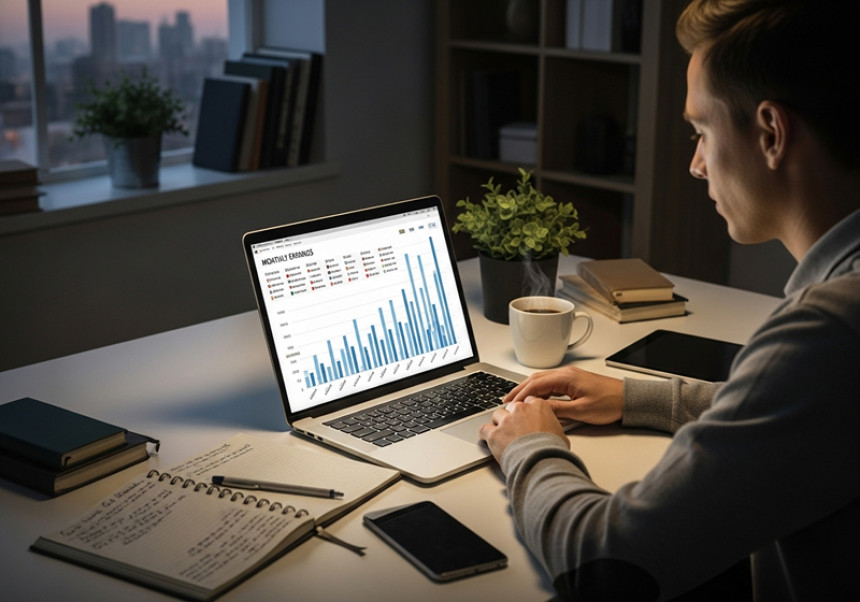
While freelancing can lead to irregular income, it also offers the potential to earn much more than a traditional salary — especially with international clients and high-demand skills.
🌍 Global Impact:
A person in a developing country can earn in USD or Euros by working remotely with clients abroad.
4. Mental Health: Both Risks and Rewards
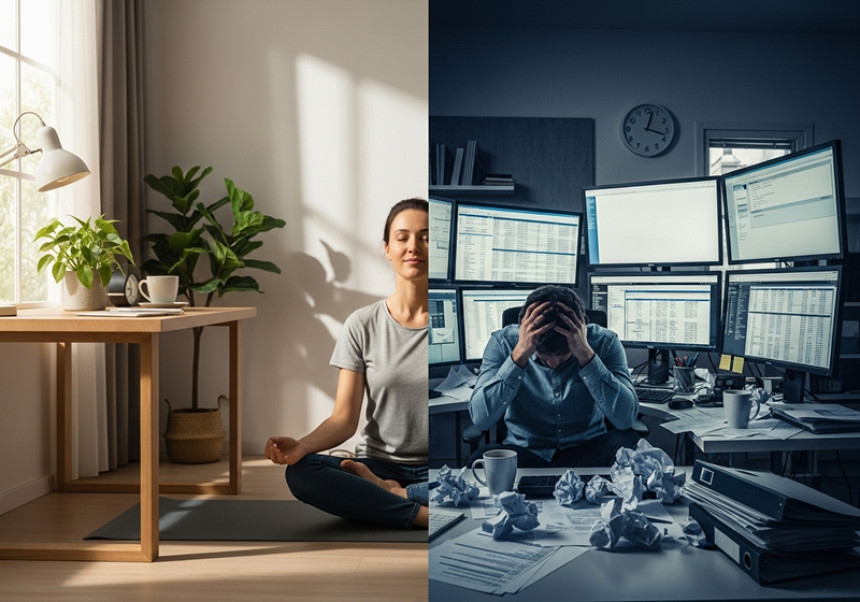
Freelancing can reduce stress related to toxic work environments, long commutes, or micromanaging bosses. However, it may also increase loneliness, burnout, or anxiety without structure.
🌍 Global Impact:
Many freelancers report greater job satisfaction, but it's important to maintain boundaries.
5. Expanded Global Network
Freelancers often work with clients from different countries, cultures, and industries, building global relationships and perspectives.
🌍 Global Impact:
This opens doors to international opportunities, cultural exchange, and even relocation in some cases.
Final Thoughts
Freelancing isn't just about working online — it’s about reshaping your lifestyle, building diverse skills, and tapping into a global economy. Like any career path, it has both advantages and challenges, but for millions, it’s a step toward freedom, flexibility, and financial independence.


